Journey to sites in Paris, Lisieux and Lourdes
April 20, 2026 to May 1, 2026
Next meeting: St. Mark’s Catholic Church. Sunday, February 22, 2026 at 1 PM. W. Northview St., Boise, ID., Meeting in the Faith Formation room by north side entrance to church.
Pilgrimage Itinerary Below
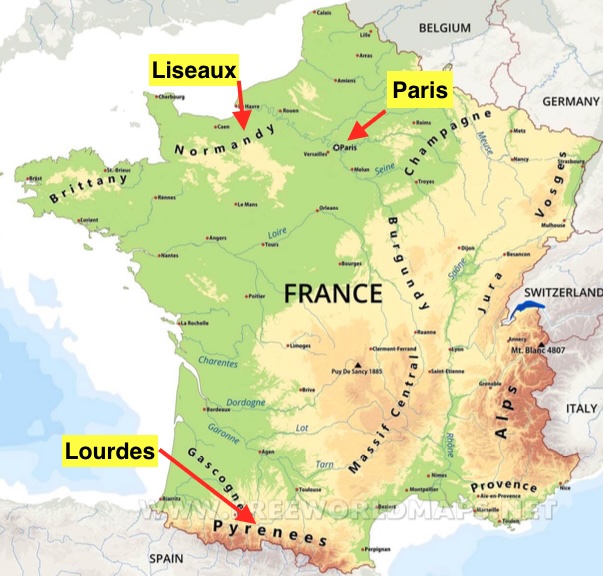
Pilgrimage Itinerary
France April 20-May 1, 2026
April 20- Fly to Paris
April 21- Arrive To Paris 1:40pm. Stay Hotel Delambre. Holy Mass daily. Dinner near Eiffel Tower
April 22- Guided tour of St. Vincent de Paul Chapel, Chapel of the Miraculous Medal. Notre Dame
St. Vincent de Paul Chapel and Chapel of the Miraculous Medal, Notre Dame, Paris
Overview
Nestled in the heart of Paris, the St. Vincent de Paul Chapel and the Chapel of the Miraculous Medal hold great significance in the spiritual and architectural landscape of the city. Both chapels play an essential role in the life of the local community and serve as important pilgrimage sites, drawing visitors from around the world.
St. Vincent de Paul Chapel
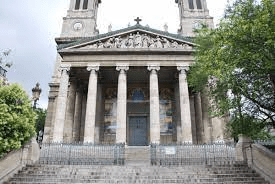
The St. Vincent de Paul Chapel is part of the larger Church of Saint Vincent de Paul, which was completed in the mid-19th century. This church was commissioned in honor of St. Vincent de Paul, a renowned priest celebrated for his dedication to serving the poor and the underprivileged. His influence on charitable work remains significant in the Catholic Church.
The chapel’s architecture showcases a blend of neoclassical and baroque styles, with its grand façade featuring ornate columns and intricate decorations. Inside, visitors are greeted by a stunning altar along with beautiful stained glass windows.
Spiritual Significance
The chapel serves as a venue for regular Mass services and other religious activities, providing a communal space for worshippers. It is a testament to the enduring legacy of St. Vincent de Paul, inspiring countless individuals to engage in acts of charity and service.
Chapel of the Miraculous Medal
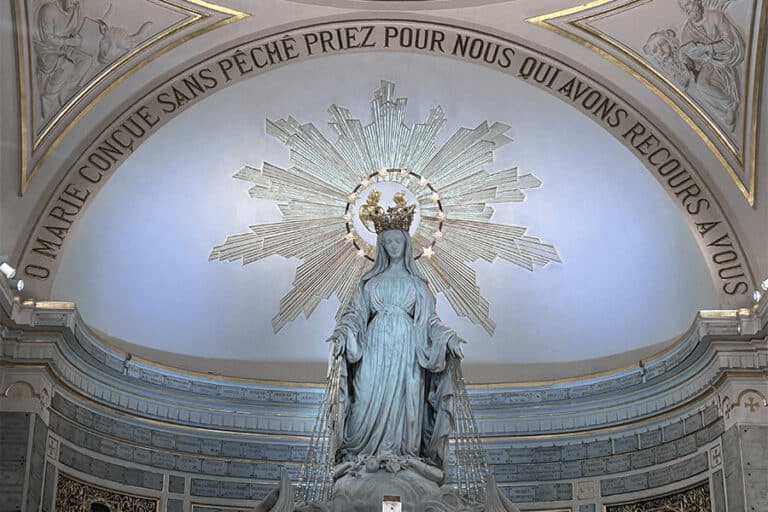
The Chapel of the Miraculous Medal is located near the location where St. Catherine Labouré, a novice of the Daughters of Charity, experienced a vision of the Virgin Mary in 1830. This vision inspired the creation of the Miraculous Medal, which is worn by many Catholics as a symbol of faith and protection.
Designed in a neoclassical style, the chapel features a simple yet elegant interior with tranquil lighting, creating a perfect environment for contemplative prayer. The focal point is the altar, which houses a statue of the Virgin Mary.
Spiritual Significance
The chapel is a site of pilgrimage for many, who come to honor the Virgin Mary and seek her intercession. Pilgrims often pray for healing, guidance, and support, believing in the powerful grace associated with the Miraculous Medal.
Visitors to St. Vincent de Paul Chapel and the Chapel of the Miraculous Medal can partake in Mass, enjoy the sacred atmosphere, and reflect on their faith. The proximity of these chapels to other significant sites in Paris allows for a rich exploration of the city’s spiritual heritage, making them must-visit destinations for those on a pilgrimage or simply seeking peace and inspiration amidst the bustling city.
Notre-Dame Cathedral, France
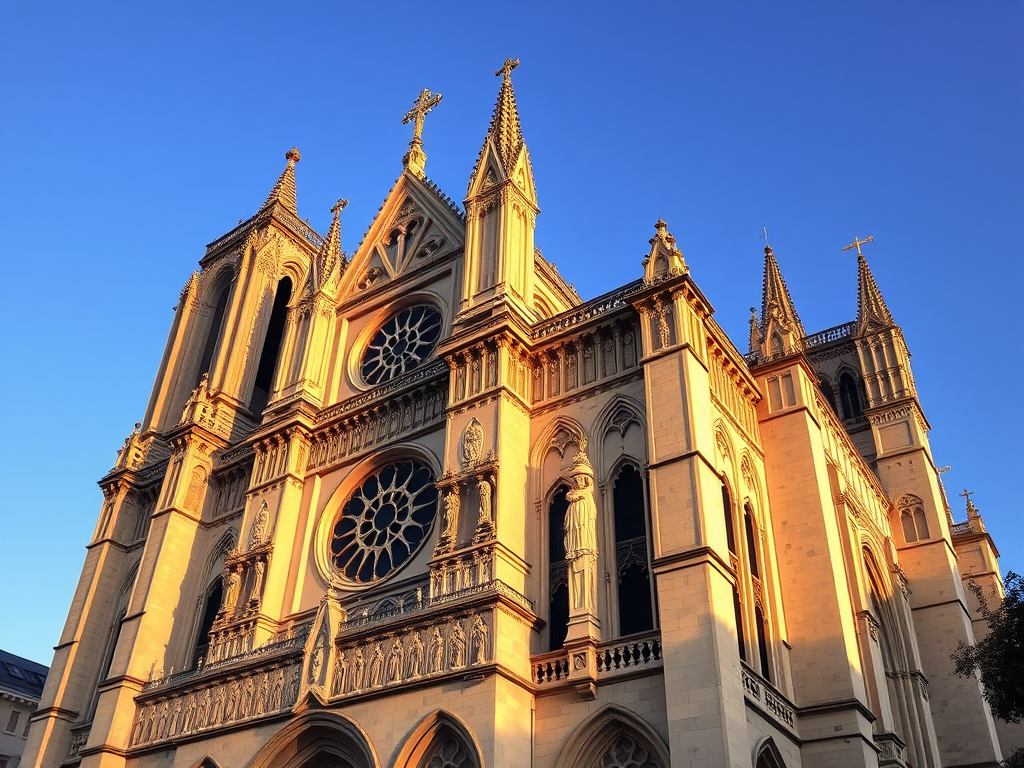
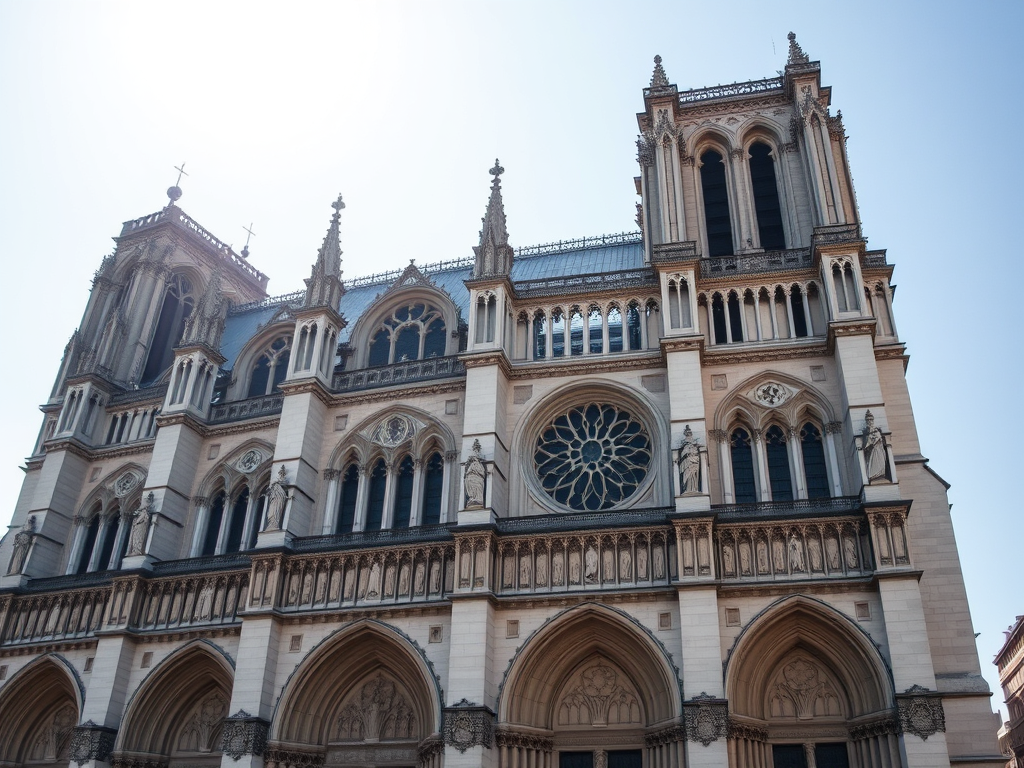
Notre-Dame Cathedral, an iconic symbol of French Gothic architecture, stands at the heart of Paris as a spiritual beacon for Catholics and visitors from around the world. Its rich history, stunning architecture, and theological significance contribute to its status as a major pilgrimage site and a place of worship.
Holy Mass and Religious Services
As a functioning cathedral, Notre-Dame hosts daily Mass and various religious services, including weddings, baptisms, and special liturgical celebrations. These services allow visitors and locals alike to engage in communal worship and reflect on their faith.
The Relics and Historical Significance
Notre-Dame has been home to many important relics, including the Crown of Thorns, believed to have been worn by Jesus during his crucifixion. This relic, housed in a dedicated chapel, draws pilgrims who seek to deepen their spirituality through veneration. The historical events that have taken place within its walls, including the coronation of Napoleon Bonaparte, add to its significance as a site of spiritual and cultural history.
The interior of Notre-Dame is adorned with sacred art that tells biblical stories and depicts key figures of Christianity. The stained glass windows, particularly the famous Rose Window, illustrate the themes of faith, hope, and redemption, inviting contemplation on God’s promises. Notre-Dame Cathedral remains a vital center for spiritual growth and reflection in the heart of Paris.
April 23- Marais Quarter Church of St. Louis and St. Paul
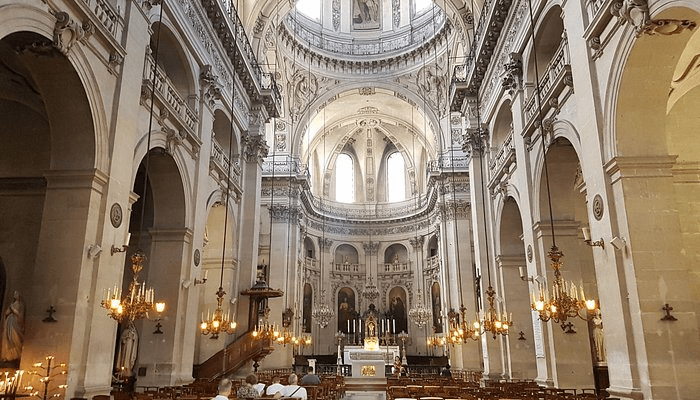
The Marais Quarter, a historic district in Paris, is known for its vibrant atmosphere, exquisite architecture, and rich cultural history. Among its many treasures is the Church of St. Louis and St. Paul.
The Church of St. Louis and St. Paul dates back to the 17th century, with its construction beginning in 1627 and completed in 1641. This church was commissioned by the Jesuits, who sought to create a spiritual hub in the Marais Quarter. Over the years, it has undergone several restorations to preserve its beauty and historical significance.
The church combines elements of classical and baroque architectural styles, characterized by its imposing façade and intricate details. The exterior features a majestic bell tower that rises above the surrounding buildings, drawing the eye of passersby. Inside, the church boasts a vast nave adorned with beautiful stained glass windows, intricate wooden altarpieces, and stunning frescoes that depict important biblical scenes.
Spiritual Significance
The Church of St. Louis and St. Paul serves not only as a place of worship but also as a spiritual refuge for many. Regular Mass services, along with special liturgical celebrations, are held here, contributing to the spiritual life of the community.
Cultural Importance
The Marais Quarter itself is a hub of artistic expression and historical intrigue, and the Church of St. Louis and St. Paul embodies these qualities. Its proximity to various museums, galleries, and boutique shops makes it a popular destination for those exploring the cultural landscape of Paris.
Visiting Experience
The surrounding Marais Quarter is perfect for leisurely strolls, offering a delightful mix of history, art, and delicious food choices.
April 24- Montmartre-Sacre Coeur. Afternoon Free
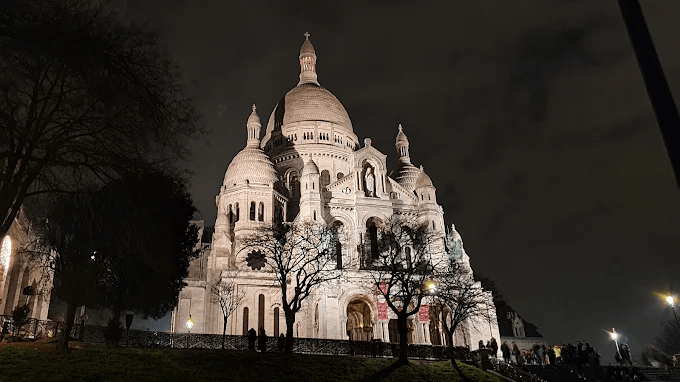
Montmartre is a historic and artistic district in Paris, renowned for its vibrant atmosphere and significant cultural heritage. One of its most iconic landmarks is the Basilica of the Sacred Heart, commonly referred to as Sacré-Cœur. This stunning basilica sits atop the highest point in the city, providing breathtaking views of Paris.
The construction of the Sacré-Cœur Basilica commenced in 1875 and was completed in 1914. It was built as a response to the anguish experienced by France during the Franco-Prussian War and the ensuing social turmoil. Designed by architect Paul Abadie, the basilica features a distinctive Romano-Byzantine architectural style, characterized by its white travertine stone.
The basilica’s exterior is striking, with its large dome crowned by a golden cross, and the intricate details of its façade showcasing stunning mosaics and sculptures. Inside, visitors are greeted by the vastness of the nave, adorned with beautiful stained glass windows and the resplendent mosaic of Christ in glory, one of the largest in the world.
Spiritual Significance
Sacré-Cœur serves as a pilgrimage site for many and is a place of prayer and reflection. Its altars and chapels invite visitors to contemplate and connect with their faith.
Exploring Montmartre
The surrounding neighborhood of Montmartre is equally enchanting. Known for its bohemian past, it has been home to famous artists such as Pablo Picasso, Vincent van Gogh, and Henri Matisse. Today, visitors can wander through charming cobblestone streets, explore the art studios, and experience the lively atmosphere of local cafés. The area is also home to the Place du Tertre, where artists display their works.
April 25- Bus to Lisieux. Overnight in Ermitage of Sainte Theresa


Discovering Lisieux, France
Lisieux, a charming town located in the Normandy region, is steeped in religious significance and historical heritage. Known primarily as the home of St. Thérèse of Lisieux, this town attracts numerous pilgrims who come to explore its rich spiritual history.
Historical Significance
Lisieux has a long history dating back to Roman times. Over the centuries, it has played a crucial role in various historical events, but it is most renowned for its association with St. Thérèse, also known as the “Little Flower.” She was born in 1873 and became one of the most beloved saints in the Catholic Church, known for her simple yet profound approach to faith and her writings on spirituality.
Basilica of St. Thérèse
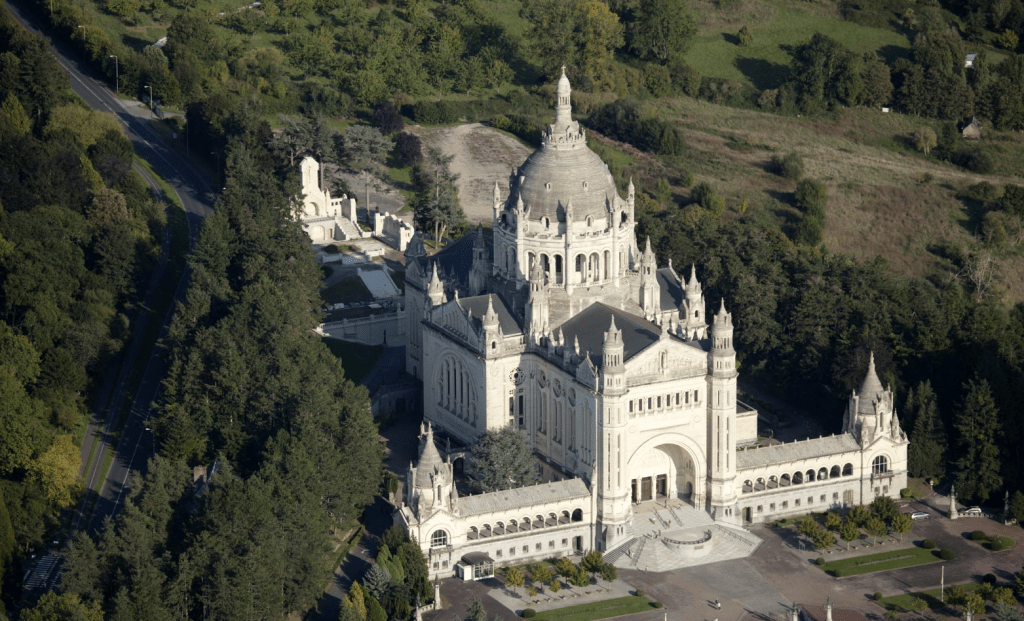
The Basilica of St. Thérèse is one of the main attractions in Lisieux. Built in the early 20th century, this stunning structure stands as a testament to her spiritual legacy. The basilica features beautiful mosaics, stained glass windows, and an intricate altar.
Carmel of Lisieux
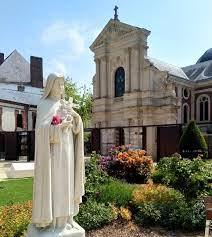
Another significant site is the Carmel of Lisieux, the convent where St. Thérèse lived and cloistered as a nun. Visitors can explore the chapel and see the room where she spent her years in prayer and contemplation. The convent offers a glimpse into her daily life and the simplicity that characterized her spirituality.
St. Jacques Church
St. Jacques Church is another historical gem in Lisieux, dating back to the 12th century. Its remarkable architectural style and serene atmosphere make it a place of reflection.
The feast day of St. Thérèse is on October 1st draws many visitors who come to partake in special Masses and processions, honoring her memory and teachings.
Lisieux is surrounded by stunning Normandy landscapes. Visitors can enjoy scenic walks along the Seine River and explore the lush countryside.
April 26- Mont-Saint-Michel and Normandy Memorial
Mont-Saint-Michel: A Marvel of Medieval Architecture
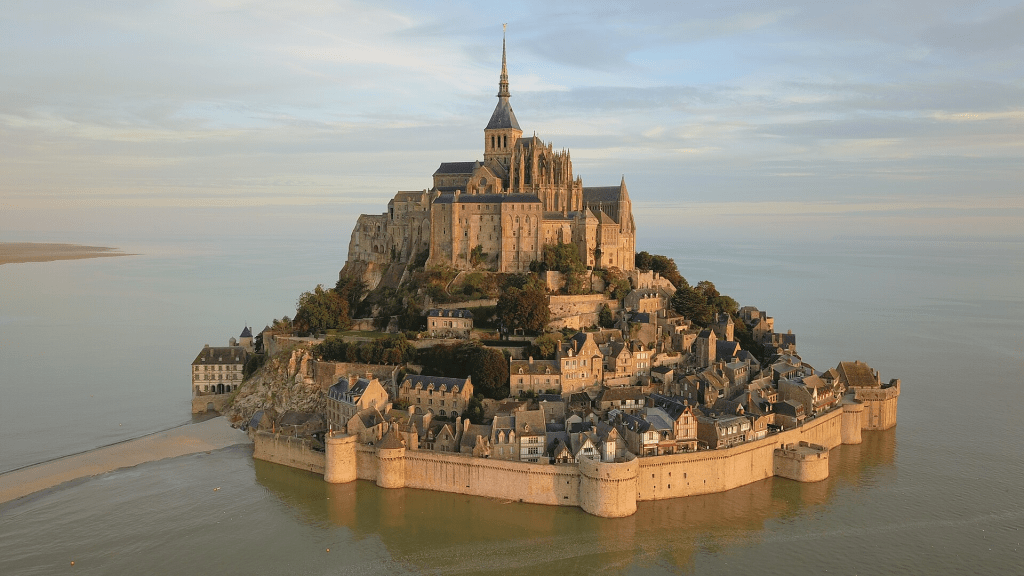
Mont-Saint-Michel is a rocky island in Normandy, France, renowned for its medieval architecture and stunning views. A UNESCO World Heritage site, it is one of France’s most iconic landmarks. Dating back to the 8th century, Mont-Saint-Michel began as a small church dedicated to the Archangel Michael. Over time, it evolved into a pilgrimage site, with the impressive abbey built between the 10th and 13th centuries.
The Abbey
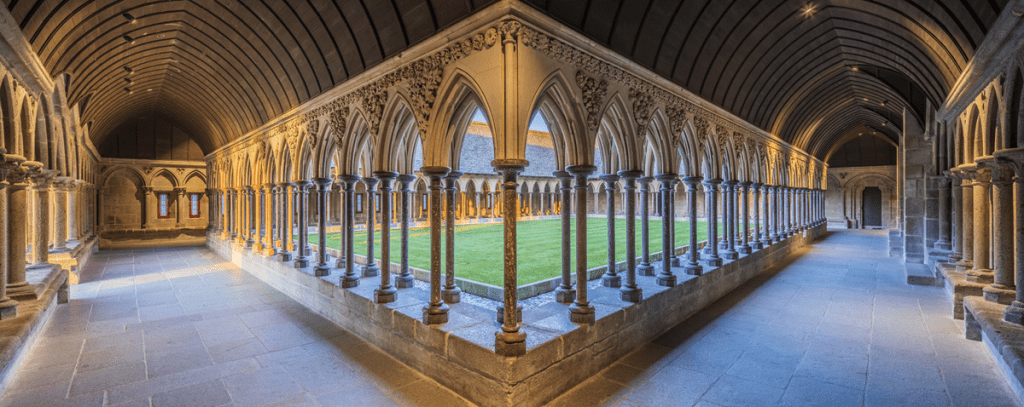
The Abbey of Mont-Saint-Michel showcases Gothic architecture with towering spires and intricate details. Visitors can explore its majestic halls and serene cloisters.
Tides and Nature
The island experiences dramatic tidal changes, becoming accessible by foot during low tide. Surrounding bay views and diverse wildlife attract nature lovers.
American Cemetery in Normandy, France
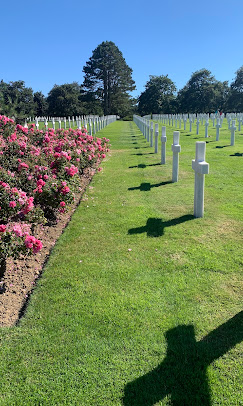
The American Cemetery in Normandy, located in Colleville-sur-Mer near Omaha Beach, honors the memory of the American soldiers who sacrificed their lives during World War II. Spanning 172.5 acres, it contains over 9,000 graves of military personnel, each marked by a white headstone.
- Gravesites: The cemetery features rows of headstones, providing a serene landscape for reflection.
- Memorials: It includes the Tablet of the Missing, listing over 1,500 soldiers whose remains have never been found.
- Visitor Center: The center offers educational exhibits about D-Day and personal stories of soldiers.
A Place of Reflection
Open to the public, the cemetery attracts thousands of visitors each year, inviting them to pay respects and learn about the sacrifices made for freedom. The American Cemetery in Normandy stands as a lasting tribute to courage and commitment during one of history’s pivotal moments.
April 27- Drive to Paris ~ Fly To Lourdes. Stay Hotel Saint Saveur

April 28-30- Guided Tour of the Sanctuaries of Lourdes, Grotto
Exploring Lourdes, France
Lourdes, situated in the picturesque foothills of the Pyrenees Mountains, is a town renowned for its profound religious significance and stunning natural beauty. It has become a major pilgrimage site, attracting millions of visitors each year, all drawn to its sacred sites and the famous apparition of the Virgin Mary.
Historical Background
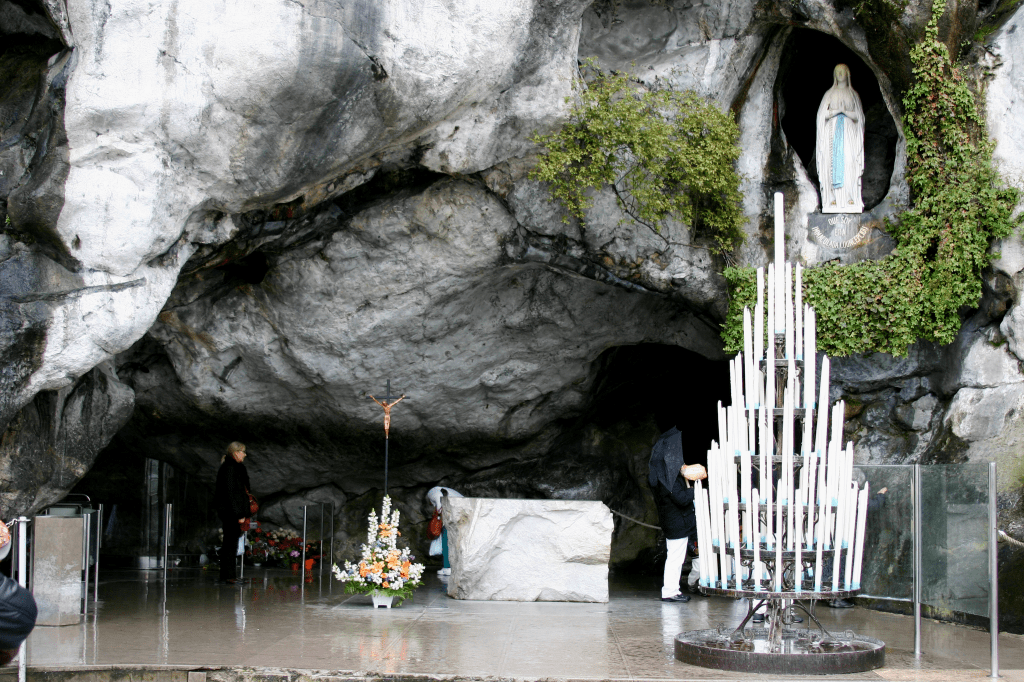
The history of Lourdes is marked by a remarkable event that began in 1858, when Bernadette Soubirous, a young peasant girl, reported a series of apparitions of the Virgin Mary in a cave known as Massabielle. This pivotal moment transformed Lourdes into a site of spiritual pilgrimage. Over time, the events surrounding Bernadette’s visions led to the development of numerous religious structures designed to accommodate pilgrims seeking solace and healing. The impact of these visions still resonates today, as Lourdes remains a beacon of faith.
The Sanctuaries of Lourdes
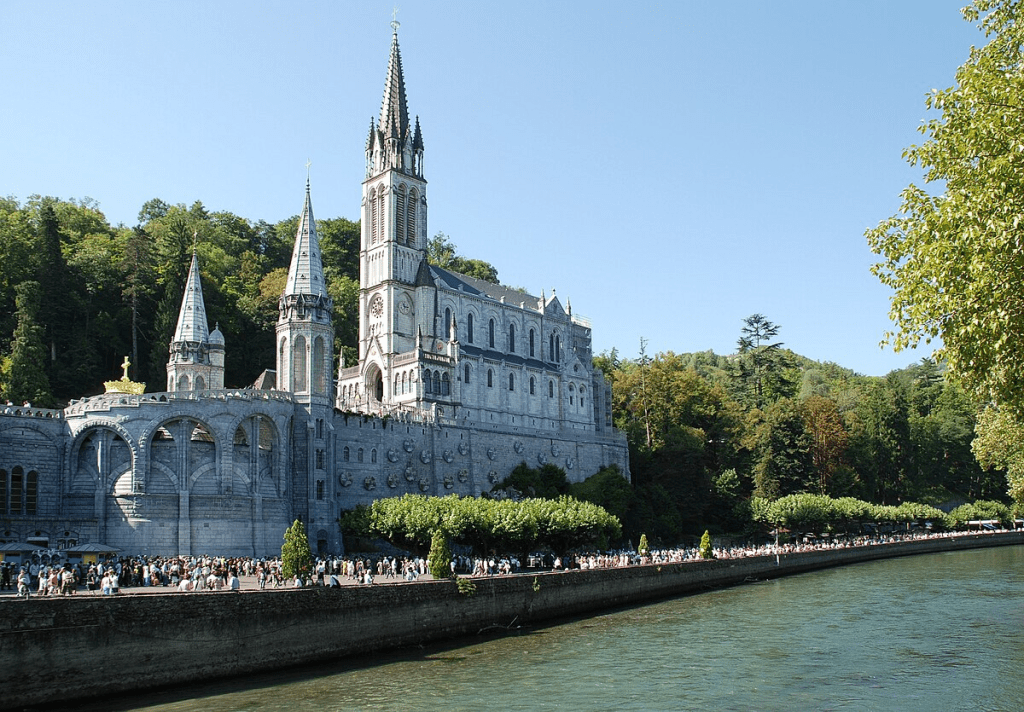
At the core of Lourdes lies the Sanctuary of Our Lady of Lourdes, an expansive religious complex that features several sites:
- The Grotto of Massabielle: This sacred site is where visitors come to pray and reflect amidst a peaceful atmosphere. The waters that flow from the grotto are believed to have miraculous healing properties, and many pilgrims fill containers with the water, have it blessed and take it home.
- The Basilica of the Immaculate Conception: Sitting majestically above the grotto, this basilica is adorned with exquisite mosaics and offers stunning views of the surrounding area.
- The Basilica of St. Pius X: Known for its vast underground structure, this basilica can accommodate thousands of worshippers.
The Healing Waters
The waters of Lourdes have been the focal point of many miraculous healing accounts. Each year, countless visitors come to Lourdes in search of physical, emotional, and spiritual renewal. The simple act of bathing in or collecting water from the grotto has offered comfort and hope to many, with numerous testimonies of individuals claiming to have experienced miraculous healings.
Spiritual Activities
Lourdes offers a rich array of spiritual activities catering to visitors:
- Mass Services: Daily Mass is celebrated in various languages, creating an inclusive atmosphere for pilgrims from around the globe.
- Processions: One of the most cherished traditions is the nightly torchlight procession, where crowds gather to sing hymns and pray together, fostering a sense of community and shared faith.
- Confession and Spiritual Counseling: Visitors can seek out confession and spiritual direction, as many come to Lourdes searching for personal growth and deeper connections in their faith journey.
Lourdes is enveloped by the beautiful landscapes of the Pyrenees Mountains.
 PAX Journeys